Advanced SEO techniques focus on technical optimization, content quality, backlinks, and user experience. They help improve rankings, increase organic traffic, and adapt to evolving search engine algorithms for better visibility.
In today’s digital landscape, mastering advanced SEO techniques has become essential for content creators who want to stand out. Gone are the days when sprinkling a few keywords into an article was enough; currently, successful writing demands a blend of data-driven research, technical savvy, and audience-focused narrative. This year, competition for organic visibility is fiercer than ever, and only those who elevate their strategy can secure top rankings. Whether you’re new to SEO or seeking to refine your skill set, this guide unpacks the critical approaches that will expand your reach, strengthen your authority, and boost engagement. From deep intent mapping to sophisticated link-building campaigns, each tactic described here will help you create content that not only performs well in search engines but also resonates with real readers. By the end of this article, you’ll have a comprehensive roadmap to apply these advanced SEO techniques, ensuring your next post delivers measurable results and outpaces the competition.
Deep Keyword Research and Intent Mapping
Groundwork for any content plan starts with pinpointing the right keywords and understanding user intent. Rather than relying solely on high-volume terms, advanced SEO techniques encourage writers to dissect search behaviors and map queries to the customer journey. Tools like Google’s own Keyword Planner and Search Central reveal not only search volume and difficulty but also emerging question formats that your audience is asking. By grouping keywords into informational, navigational, and transactional buckets, you can craft specific segments that match each stage of decision-making, from initial research to final conversion.
Leveraging Semantic and LSI Keywords
Search engines today leverage machine learning to understand context. To help algorithms grasp your message, incorporate Latent Semantic Indexing (LSI) and related terms naturally throughout your text. For instance, writing about “advanced SEO techniques” might also include phrases like “organic traffic strategies,” “search intent optimization,” or “content authority building.” These variations prevent keyword stuffing and improve your chances of appearing in the rich snippet and People Also Ask sections. Use tools like LSIGraph or examine the “Searches related to” feature at the bottom of Google results pages to discover supporting terms.
Focusing on Long-Tail Opportunities
Long-tail keywords reflect more specific user needs and often have lower competition, making them ideal for targeted content. Queries such as “how to structure pillar pages for SEO” or “step-by-step keyword clustering guide” attract visitors who are further along the funnel and more likely to engage deeply. Track performance metrics in Google Analytics or Search Console to see which long-tail terms drive the most qualified traffic, then refine your approach by updating headlines, headings, and meta descriptions accordingly. Adopting this advanced SEO technique ensures your content hits the mark with precision and fosters higher conversion rates.
On-Page Optimization and Readability Enhancements
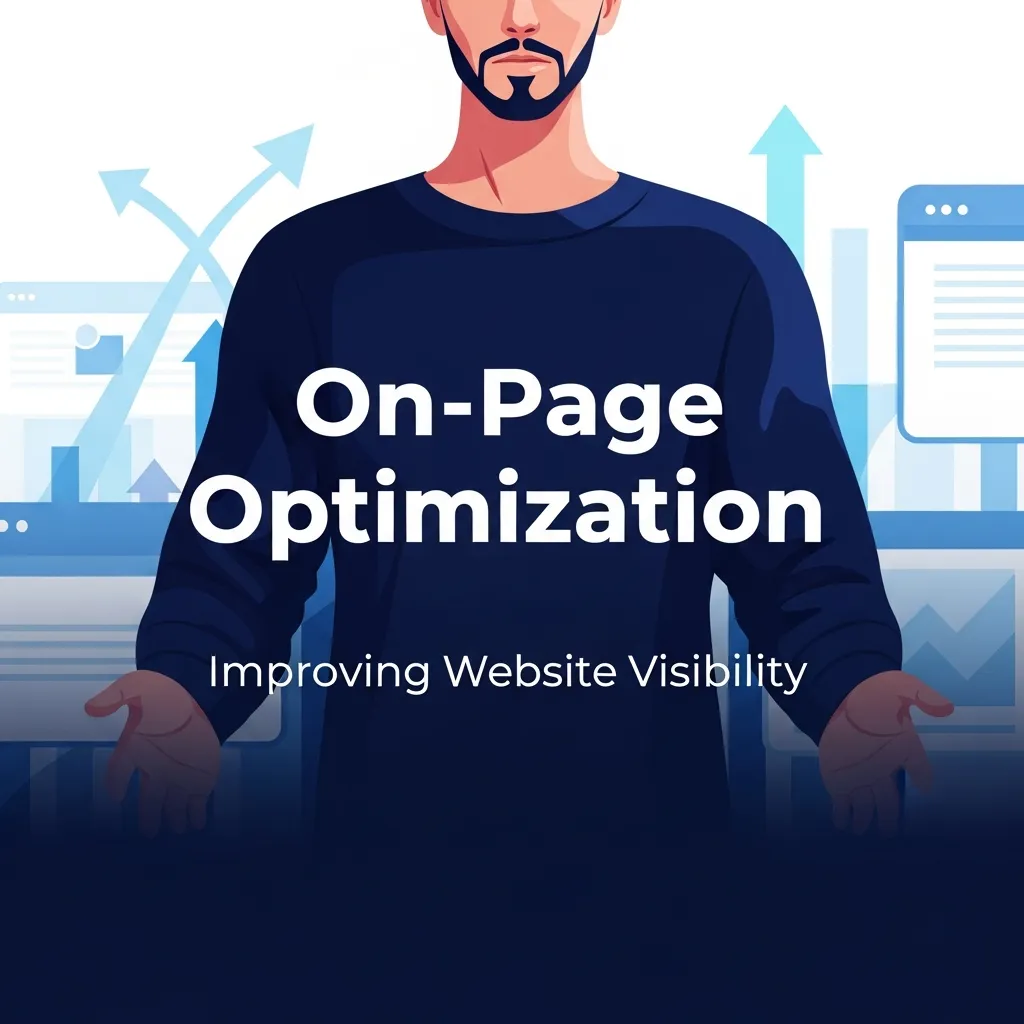
Optimizing on-page elements is a cornerstone of any robust strategy. In today’s digital landscape, on-page SEO goes beyond meta tags; it includes well-structured headings, concise URLs, and compelling snippets that entice clicks. By refining each component, you guide search engines and readers through your narrative seamlessly. Remember that readability and accessibility are equally important: clear writing and layout improve user engagement, which search engines reward with better rankings.
SEO-Friendly Titles, Meta Descriptions, and URLs
Create title tags of 50–60 characters that feature your primary keyword—“advanced SEO techniques”—near the beginning. Craft meta descriptions of 150–160 characters that summarize value and include a call to action, such as “Learn the next-level strategies.” Clean URLs should be short, descriptive, and hyphenated (e.g., /advanced-seo-techniques-guide). Such precision enhances click-through rates and reinforces relevance in SERPs.
Structuring Content with Headers and Lists
Use <h2> and <h3> tags to break your article into logical sections. Embed keywords naturally in these headings to signal topic shifts and maintain clarity. Bullet lists or numbered steps further improve skimmability, especially on mobile devices. Short paragraphs—no more than four sentences each—make your copy more digestible and keep readers scrolling.
Improving Readability and Accessibility
Tools like the Hemingway App and Grammarly help you gauge reading grade levels and passive voice usage. Aim for a reading level between grades 6 and 8 to reach a broader audience. Ensure images include descriptive alt text with contextually relevant keywords. High-contrast fonts and responsive design contribute to inclusivity, aligning with Web Content Accessibility Guidelines (WCAG) endorsed by institutions like CDC for broader digital health communications.
Internal Linking and Multimedia Optimization
Internal links are a powerful way to distribute authority across your website, guiding readers and crawlers from one resource to another. Pairing this with optimized multimedia—images, videos, and graphics—ensures that your content appeals to diverse preferences without sacrificing performance. When executed properly, these advanced SEO techniques deepen user engagement and reinforce thematic relevance.
Creating Thematic Clusters and Contextual Links
Organize your site into pillar pages that cover broad topics and cluster content that dives into subtopics. On each page, link outward to related cluster posts. For example, a pillar on “advanced SEO techniques” might link to in-depth articles on keyword research, page speed, or schema markup. Use descriptive anchor text that signals the destination’s topic, and avoid repetitive phrasing. This silo structure makes navigation intuitive and helps search engines understand your site hierarchy.
Optimizing Images and Video for Speed and SEO
Compress images with tools like TinyPNG, and serve them in modern formats such as WebP to reduce file sizes. Name files descriptively (e.g., advanced-seo-infographic.webp) and include concise alt text to improve accessibility and capture traffic from image search. For video, host on a reliable Content Delivery Network (CDN) or embed from a fast platform, then provide transcripts and captions. Implement a video sitemap using JSON-LD schema markup so that search engines easily index your multimedia content, increasing the chances of appearing in video carousels.
Mobile, Voice Search, and Technical SEO Essentials
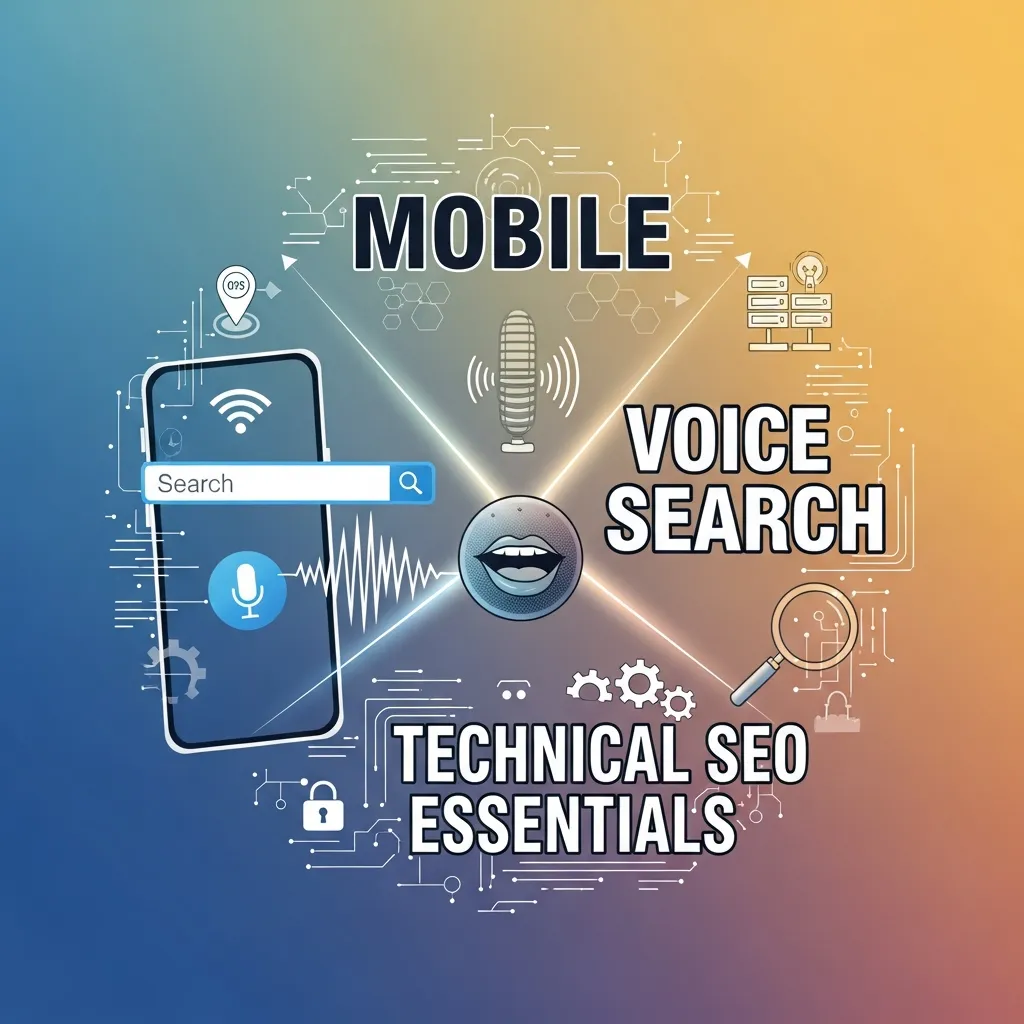
With mobile devices accounting for a majority of web traffic, and voice search growing rapidly, ensuring your content is technically sound is non-negotiable. Technical SEO involves site speed, structured data, and code validation—all of which underpin discoverability and user satisfaction. Integrating these advanced SEO techniques helps you meet modern search expectations and stay ahead of algorithm updates.
Accelerated Mobile Pages (AMP) and Responsive Design
Implement AMP HTML to create lightweight, fast-loading pages that significantly reduce bounce rates on mobile. Use Google’s AMP Validator to confirm compliance. Alongside AMP, ensure your theme uses fluid grids and media queries so content adapts smoothly across screen sizes. This combination enhances performance metrics tracked by tools like Google PageSpeed Insights and Lighthouse.
Voice Search Optimization
Voice queries are conversational and often question-based. To capture this traffic, incorporate FAQ sections that answer common user questions directly near the top of your page. Use natural language patterns and include a succinct summary—no more than 40 words—for quick read-aloud responses. This tactic boosts your chances of appearing in position zero for voice assistants.
Site Speed, Caching, and Schema Markup
Minify CSS and JavaScript files, enable browser caching, and defer non-critical scripts to streamline page loading. Utilize a plugin or server-side solution for lazy loading offscreen images. Additionally, apply structured data (JSON-LD) to articles—declaring fields like author, publication date, and headline—to unlock rich snippets and enhance your search appearance.
Promotion, Link Acquisition, and Continuous Improvement
Publishing stellar content is only half the battle; you must actively promote it and build authoritative backlinks. Furthermore, continuous monitoring and iterative testing allow you to refine your strategy and maintain momentum. These advanced SEO techniques ensure your efforts yield sustainable growth over time.
Outreach, Guest Posts, and Community Engagement
Identify reputable blogs in your niche—preferably those that attract a similar audience—and propose insightful guest contributions. Personalize each pitch, reference their past work, and demonstrate how your article aligns with their readers’ needs. Leverage platforms like HARO for expert quoting opportunities. Simultaneously, share your content in industry forums, LinkedIn groups, or niche subreddits, participating genuinely rather than spamming links.
Analytics, A/B Testing, and Iteration
Set clear goals in Google Analytics—such as scroll depth, time on page, or conversion events—and monitor your progress. Use tools like Google Optimize to conduct A/B tests on headlines, CTAs, or layout variations. Track changes in bounce rates and click-throughs, then update underperforming elements based on data insights. By repeating this cycle, you capitalize on what resonates with your audience and continuously enhance your results.
Conclusion
Implementing these advanced SEO techniques will transform your content strategy from basic to exceptional. In today’s digital landscape, focusing on deep keyword research, meticulous on-page elements, and robust technical foundations is critical for lasting success. Coupled with strategic internal linking, multimedia optimization, and proactive promotion, you create a virtuous cycle of growth and engagement. Remember that SEO is not a one-off project—it requires consistent analysis, testing, and adaptation. By applying the tactics outlined here, you’ll position your content for higher rankings, sustained organic traffic, and stronger audience loyalty this year. Embrace these methods today and watch your digital presence thrive.
FAQ
What are advanced SEO techniques?
Advanced SEO techniques are strategies that go beyond basic optimization, focusing on technical SEO, content depth, user experience, and data analysis to improve search engine rankings and visibility.
Why are advanced SEO techniques important?
They are important because search engine algorithms are constantly evolving. Advanced SEO techniques help websites stay competitive, improve rankings, and drive more organic traffic.
What is technical SEO in advanced strategies?
Technical SEO involves optimizing website structure, speed, indexing, and crawlability. It ensures search engines can easily access and understand your website content.
How does keyword clustering improve SEO?
Keyword clustering groups similar keywords together, allowing you to create comprehensive content that targets multiple search queries and improves ranking potential.
What is schema markup in SEO?
Schema markup is structured data added to your website to help search engines understand content better, which can improve rich results and click-through rates.
How does page speed affect SEO?
Page speed is a ranking factor. Faster-loading websites provide better user experience, reduce bounce rates, and improve overall search engine performance.
What is E-E-A-T in SEO?
E-E-A-T stands for Experience, Expertise, Authoritativeness, and Trustworthiness. It is used by search engines to evaluate the quality and credibility of content.
How do backlinks impact advanced SEO?
High-quality backlinks from authoritative websites signal trust and relevance, helping improve your site’s ranking in search engine results.
What is content optimization in advanced SEO?
Content optimization involves improving readability, keyword usage, structure, and relevance to ensure content matches user intent and ranks higher.
How does user experience influence SEO?
User experience affects metrics like bounce rate, time on site, and engagement. Better UX leads to improved rankings and higher conversion rates.
What is mobile-first indexing?
Mobile-first indexing means search engines primarily use the mobile version of your website for ranking and indexing, making mobile optimization essential.
How can internal linking improve SEO?
Internal linking helps search engines understand site structure, distribute link authority, and guide users to relevant content.
What is voice search optimization?
Voice search optimization focuses on natural language queries and conversational keywords to match how users speak rather than type.
How does AI impact advanced SEO techniques?
AI helps analyze data, predict trends, optimize content, and automate advanced SEO techniques SEO tasks, making strategies more efficient and data-driven.
What is the future of advanced SEO techniques?
The future advanced SEO techniques include AI-driven optimization, semantic search, personalized results, and a stronger focus on user intent and content quality.