Conversational copywriting helps brands create authentic connections through natural language, storytelling, and reader-focused messaging. It improves engagement, readability, SEO performance, and conversions while making content more relatable and memorable.
In today’s digital landscape, crafting copy that speaks to readers as if they were in a face-to-face conversation can make all the difference in your content strategy. At the heart of this approach lies conversational copywriting, a technique that transforms static text into engaging dialogue. When executed well, it builds trust, keeps visitors on your page longer, and motivates them to take action. This year, brands and content creators are more focused than ever on authentic connection, and conversational copywriting delivers precisely that human touch.
Rather than relying on formal, sales-driven language, conversational copywriting mimics the ebb and flow of everyday speech. It invites readers in, asks them questions, and uses personal pronouns to foster a genuine rapport. The result? Higher engagement metrics, improved search engine signals, and a more memorable brand experience. Throughout this article, we’ll explore the core principles, proven techniques, and real-world examples that will help you master conversational copywriting and elevate your content game.
The Importance of Conversational Copywriting
Traditional marketing copy often feels distant, formulaic, or overly promotional. In contrast, conversational copywriting bridges the gap between your brand and your audience, speaking in a tone that resonates on a personal level. By adopting language that mirrors how people talk in everyday situations, you can break down barriers and foster a sense of familiarity and trust.
When readers encounter content that feels like a genuine conversation, they linger longer—reducing bounce rates and sending positive engagement signals to search engines. Time on page and scroll depth are powerful metrics that search algorithms consider when ranking content. Engaged visitors are also more likely to click through on calls to action, whether that’s subscribing to a newsletter, downloading a guide, or making a purchase.
Moreover, conversational copywriting can help differentiate your brand. In a crowded market, authenticity stands out. Customers are fatigued by aggressive sales pitches and crave interactions that feel personal and relevant. Adopting a conversational tone can humanize your brand, showcase your expertise in an approachable way, and encourage repeat visits.
Today, businesses across industries—from e-commerce to education—are investing in conversational strategies to boost engagement. According to research from the Nielsen Norman Group, content that adopts user-centric language sees up to 30% higher interaction rates. As you refine your messaging, remember that authenticity, clarity, and empathy are the pillars of effective conversational copywriting.
Key Elements of a Conversational Tone

At its core, conversational copywriting is about creating a two-way dialogue with your reader. Here are the essential elements to incorporate:
- Relatable Language: Steer clear of jargon and corporate buzzwords. Use everyday vocabulary that your audience understands and appreciates.
- Short, Digestible Sentences: Break complex ideas into bite-sized chunks. Short sentences increase readability and keep the pace brisk.
- Questions that Invite Interaction: Phrases like “Have you ever wondered…” or “What would you do if…” spark curiosity and encourage mental participation.
- Personal Pronouns: Using “you” and “we” pulls the reader into the conversation. It signals that you’re addressing their needs directly.
- Active Voice: Direct, energetic verbs propel the reader forward. Sentences written in active voice feel more dynamic and engaging.
In practical terms, imagine you’re offering advice to a friend over coffee. Your goal is to be clear, friendly, and helpful—not to overwhelm them with technicalities. According to Purdue University’s Online Writing Lab (OWL), adopting a conversational tone can significantly improve comprehension and retention. When you speak directly to your reader and anticipate their questions, you demonstrate empathy and position yourself as a trusted guide.
Practical Techniques to Write Conversational Copy
Transforming formal copy into a conversational style may feel challenging at first, but these proven techniques can help you find your voice:
- Open with a Hook: Begin with a relatable anecdote, a surprising statistic, or a question that resonates with your reader’s pain points. A strong hook immediately draws them in.
- Visualize a Dialogue Partner: Before writing, picture your ideal customer. What questions do they ask? How would you answer them naturally? This mental exercise keeps your tone authentic.
- Use Parenthetical Asides: Short asides like “(that’s right!)” or “(no jargon here)” mimic spoken asides and break up dense paragraphs.
- Read Aloud: Speaking your draft out loud highlights awkward phrasing. If you stumble, rewrite it until it flows smoothly, just like a comfortable conversation.
- Incorporate Real Examples: Sharing mini case studies or client stories adds credibility. When readers see practical outcomes—like how a small business improved its open rates—they connect with the message on a deeper level.
With practice, these techniques become second nature. You’ll start weaving in questions organically, choosing everyday terms, and structuring sentences that feel as if you’re speaking directly to someone sitting across from you. This year, as content competition intensifies, mastering these methods will give you an edge.
Storytelling for Deeper Engagement

Stories are the currency of human communication. Neuroscientists at institutions like the National Institutes of Health (NIH) have confirmed that narratives activate multiple areas of the brain, enhancing memory and emotional connection. By embedding short, compelling stories in your copy, you tap into this natural affinity.
Consider these storytelling strategies:
- Introduce a Relatable Character: Whether it’s a customer named “Alex” or a fictional persona, characters give your narrative shape and context.
- Highlight a Conflict: Emphasize a challenge or pain point. For example, “Alex struggled to keep readers engaged beyond the first paragraph.”
- Show Transformation: Describe how your solution—backed by conversational copywriting—helped Alex overcome the hurdle and achieve tangible results.
- Tie Back to Your Audience: After the story, ask the reader directly, “Sound familiar?” or “Ready to see your own transformation?” This invites them to see themselves in the narrative.
When done well, storytelling humanizes your brand and creates emotional resonance. In today’s crowded digital arena, a well-told story can make your message unforgettable and drive higher engagement metrics, such as social shares and time on page.
Balancing SEO with a Conversational Voice
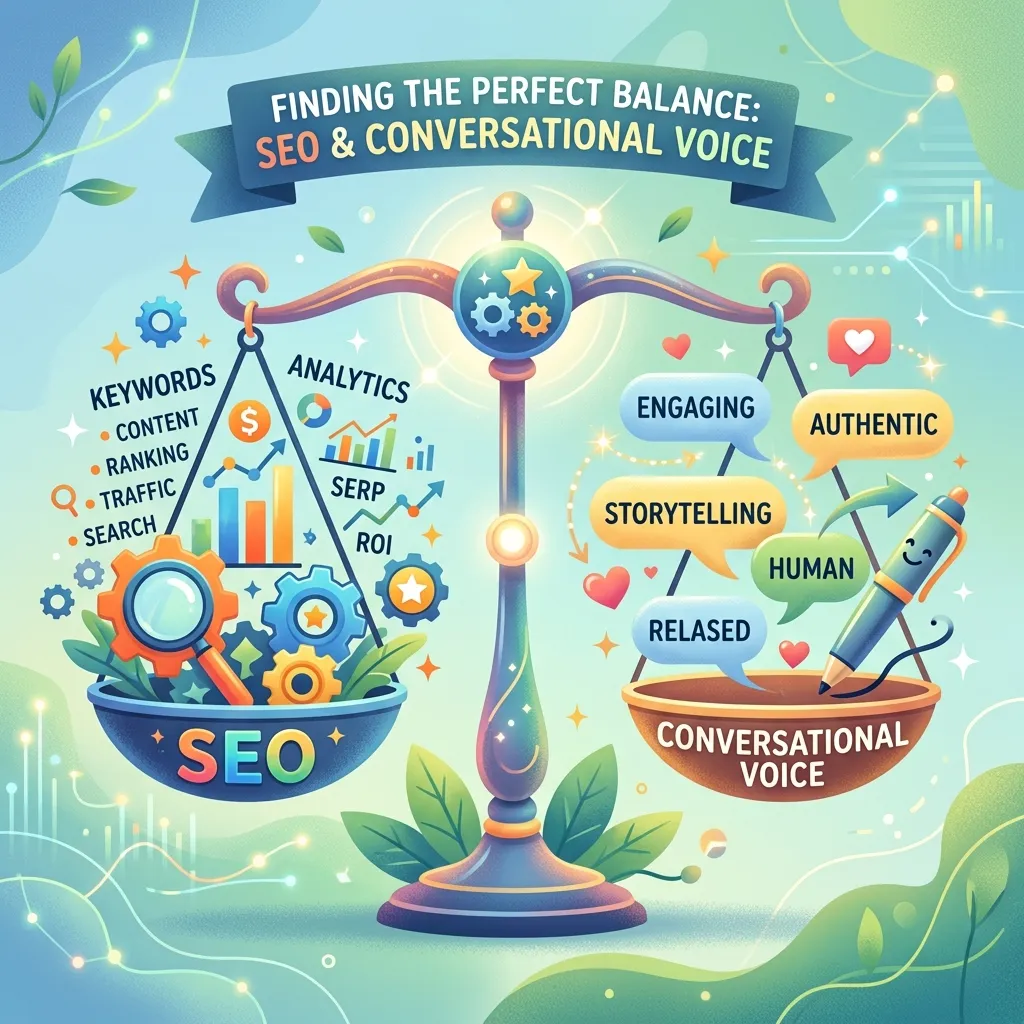
Many writers worry that focusing on conversational copywriting will undermine SEO, but the two can coexist harmoniously. The key is subtlety:
- Strategic Keyword Placement: Sprinkle your focus keyword—conversational copywriting—in your headings, the opening paragraph, and a few natural spots throughout the text. Avoid keyword stuffing at all costs.
- Use Synonyms and Variations: Instead of repeating the exact term over and over, try “writing that feels like a chat” or “friendly copy style.” Search algorithms are smart enough to recognize semantic similarities.
- Optimize for Readability: Short paragraphs, bullet lists, and clear subheadings not only enhance user experience but also improve dwell time, a metric search engines value.
- Include Internal and External Links: Link to relevant pages within your site and credible external resources. For instance, pointing to research from a recognized institution or an authoritative guide strengthens your content’s trustworthiness.
- Use Metadata Wisely: Craft a concise meta description that includes your keyword naturally. Searchers should immediately understand what your article offers.
By prioritizing the reader’s experience and weaving SEO best practices into a conversational framework, you’ll create content that resonates with humans and search engines alike.
Conclusion
Conversational copywriting offers a powerful way to connect with readers on a human level while bolstering your SEO efforts in today’s digital landscape. By employing relatable language, asking engaging questions, and weaving in personal stories, you can craft content that feels genuine and compelling. Remember to balance your focus keyword—conversational copywriting—strategically, maintain clarity, and prioritize readability. As you refine your voice, you’ll see improvements in key metrics like time on page, scroll depth, and conversion rates. Embrace these techniques this year, and watch your content forge deeper connections, inspire action, and stand out in a crowded online world.
FAQs
1. What is conversational copywriting?
Conversational copywriting is a writing style that sounds natural, friendly, and human. It uses everyday language to create a stronger connection with readers and improve engagement.
2. Why is conversational copywriting important for SEO?
Conversational copywriting improves readability, increases time on page, and reduces bounce rates. These engagement signals can positively impact search engine rankings.
3. How do you write conversational content?
You can write conversational content by using simple words, asking questions, using personal pronouns like “you,” and keeping sentences short and clear.
4. Does conversational copywriting increase conversions?
Yes, conversational copywriting can improve conversions because it builds trust, makes readers feel understood, and encourages them to take action naturally.
5. What are the key elements of conversational copywriting?
The key elements include relatable language, active voice, short sentences, engaging questions, and a friendly tone that feels authentic.
6. Can conversational copywriting work for all industries?
Yes, conversational copywriting works across industries including e-commerce, education, healthcare, technology, and digital marketing because audiences prefer human-centered communication.
7. How does storytelling improve conversational copywriting?
Storytelling creates emotional connections, keeps readers engaged longer, and makes your content more memorable and persuasive.
8. What mistakes should you avoid in conversational copywriting?
Avoid keyword stuffing, robotic language, long paragraphs, excessive jargon, and overly sales-focused messaging that feels unnatural.
9. Is conversational copywriting good for blog posts?
Absolutely. Blog posts written in a conversational style are easier to read, more engaging, and more likely to be shared by readers.
10. How can beginners improve their conversational writing skills?
Beginners can improve by reading their content aloud, writing the way they speak naturally, studying audience behavior, and practicing consistently.