In today’s digital landscape, content creators face a dual challenge: writing compelling narratives that resonate with audiences while also ensuring that their work is discoverable by search engines. Achieving this balance requires strategic planning and a deep understanding of both artistic expression and technical guidelines.
This year, the importance of Balancing Creativity and SEO has never been more critical, as competition for attention intensifies across blogs, social media, and corporate websites. By weaving together engaging storytelling with proven optimization techniques, writers can elevate their voice and rank higher in search results, driving sustainable traffic and engagement.
Over the next few minutes, we will explore the fundamental principles of this hybrid approach. From crafting attention-grabbing headlines to integrating keywords seamlessly, and from structuring content for maximum readability to weaving rich media into your posts, each section of this guide offers actionable insights. Whether you are a seasoned blogger or new to the field, these strategies will help you maintain your creative spark while satisfying the algorithmic demands of search engines. Let’s dive into the art and science of Balancing Creativity and SEO with clarity and confidence.
Embracing this method means not sacrificing personality for optimization or neglecting best practices for the sake of artistry. Instead, you will learn how to let them support each other, creating content that captivates readers and signals relevance to search engines. Let’s begin our journey into crafting content that truly stands out.
Understanding the Fusion of Creativity and SEO
Defining Your Objectives
When it comes to Balancing Creativity and SEO, clarity around your goals is paramount. Are you striving to educate a niche community, inspire brand advocacy, or drive e-commerce conversions? By articulating your primary objective, you lay the groundwork for each phase of content development. In today’s digital landscape, every piece you publish must serve a clear purpose that resonates with your target audience and aligns with broader business aims. Effective goal-setting enables you to measure success, select appropriate metrics, and adjust editorial tactics over time for sustained growth.
Researching Strategic Keywords
Keyword research is an essential bridge between audience intent and creative storytelling. Tools like Google Search Console, Ahrefs, or SEMrush help identify terms with healthy search volume and manageable competition. By analyzing top-performing queries and related semantic phrases, you can uncover opportunities to weave keywords naturally into your narrative. This year, search engines prioritize context and user satisfaction, so avoid outdated tactics such as keyword stuffing. Instead, opt for a conversational tone that incorporates primary and long-tail phrases seamlessly.
Harmonizing Intent with Imagination
True mastery of Balancing Creativity and SEO emerges when you infuse data-driven insights into your imaginative process. Start by mapping keywords to topics that spark reader curiosity and offer genuine value. Then, build your outline around a compelling storyline or unique perspective. This approach ensures that search bots and human readers both recognize the relevance and depth of your content. Whether you employ metaphors, case studies, or real-world anecdotes, choose elements that reinforce your message and showcase authenticity.
Monitoring Performance and Iteration
After publishing, leverage analytics platforms such as Google Analytics and Google Search Console to track organic traffic, click-through rates, and engagement metrics. Identify which creative themes and keyword clusters resonate most strongly with your audience, then refine your editorial calendar and update existing posts. By treating each article as a living document, you maintain relevance and continually improve your content strategy.
Crafting Headlines That Capture Attention and Rank
Understanding Headline Psychology
Headlines serve as gatekeepers between your content and potential readers, making them a pivotal element in Balancing Creativity and SEO. A well-crafted title speaks to human curiosity while signaling relevance to search algorithms. To engage emotion and mental triggers, incorporate power words, questions, or numbers. For example, numbers create an expectation of structure—“7 Proven Tactics”—while questions invite personal reflection—“Are You Missing These SEO Essentials?” Always ensure your headline aligns with the actual content to build trust and reduce bounce rates.
SEO-Friendly Headline Structures
This year, search engines evaluate headline structure for both clarity and context. Include your primary keyword near the beginning, but do so naturally. Combine brevity with specificity: aim for 50–60 characters to prevent truncation in search engine results pages (SERPs). Tools like the Yoast SEO plugin or the headline analyzer from CoSchedule can estimate readability and SEO strength. Balance the technical requirement of keyword placement with creative elements that spark intrigue—this dual approach enhances both click-through rates and on-page engagement.
Testing and Optimization
Headline performance varies across audiences and platforms, so ongoing testing is crucial. Conduct A/B tests using Google Optimize or similar tools to compare multiple variants. Analyze metrics such as impressions, click-through rate (CTR), and session duration to determine which headlines resonate most strongly. Pay attention to context when interpreting results: a headline that excels on social media may underperform in organic search and vice versa. Iterative refinement ensures your headlines consistently balance creativity and SEO, driving sustained traffic growth.
Balancing Emotion and Keywords
To achieve a harmonious blend of emotional appeal and technical precision, integrate sentiment-laden language alongside your target phrase. Words like “ultimate,” “essential,” or “transformative” evoke enthusiasm, whereas keywords anchor the headline in search intent. For instance, “Essential SEO Techniques to Transform Your Blog” marries a strong emotional cue with clear SEO value. Think of your headline as a promise you intend to keep; by meeting or exceeding expectations once the reader clicks, you reinforce credibility and encourage deeper exploration of your site.
Seamless Keyword Integration for Better Discoverability
Natural Language Techniques
Embedding keywords seamlessly into your text is an art in Balancing Creativity and SEO. Rather than forcing exact-match phrases, opt for conversational wording that flows with your narrative. Consider reading your draft aloud; if a keyword insertion feels awkward or disruptive, rework the sentence until it reads naturally. This approach enhances readability and voice consistency, ensuring your content appeals to both human audiences and search engine crawlers.
Leveraging Semantic SEO
Search engines today examine context and related terms to assess content relevance. Incorporating synonyms, related keywords, and latent semantic indexing (LSI) terms broadens the thematic scope of your article. For example, alongside “website optimization,” you might mention “page speed,” “mobile responsiveness,” or “user experience.” Tools like Google’s NLP API and the LSI keyword generator can help you uncover pertinent variations and enrich your copy without resorting to repetitive phrasing.
Placement Best Practices
Your introduction, subheadings, and conclusion are prime real estate for primary keywords and their variations. Aim to include your focus phrase within the first 100 words, in at least one <h2> or <h3> tag, and once more in the concluding paragraph. Distribute secondary terms throughout the body at logical intervals. Bullet points, numbered lists, and call-out boxes also offer opportunities to reinforce key topics while maintaining engagement.
Avoiding Over-Optimization
Keyword stuffing or unnatural repetition can trigger search engine penalties and frustrate readers. Instead, align your keyword density with industry recommendations—generally 1–2%—and focus on user intent. If you identify a passage where the same term appears too frequently, swap in synonyms or rephrase the content. By keeping your language fresh and varied, you preserve narrative flow and safeguard your site’s SEO health in today’s competitive market.
Monitoring Keyword Performance
After publishing, track how your content ranks for both primary and secondary keywords. Use Google Search Console to monitor impressions and clicks for each query, and tools like SEMrush or Ahrefs to chart ranking fluctuations. If a keyword underperforms, consider updating the article with additional context, fresh examples, or reorganized subheadings. Regular monitoring ensures your articles stay current and continue to demonstrate expertise in Balancing Creativity and SEO.
Organizing Content Structure for Optimal Readability

Short Paragraphs and White Space
In today’s digital landscape, readers often skim content on mobile devices or desktop screens. Short paragraphs of 2–4 sentences each improve readability by reducing visual clutter and breaking complex ideas into digestible chunks. Generous white space around text blocks and images also helps maintain a relaxed reading experience. When crafting each section, consider the natural pauses in your narrative and insert line breaks where they enhance comprehension.
Descriptive Subheadings
Using <h2> and <h3> Tags to segment your content provide both visual cues for readers and structural signals for search engines. Descriptive subheadings clarify the main idea of each section, guiding users through the narrative. Including relevant keywords in these headings boosts SEO without compromising flow. For example, a subheading like “Implementing Descriptive Subheadings for SEO” informs readers of the topic and reinforces your focus phrase indirectly.
Lists, Tables, and Visual Aids
Bullet lists and numbered sequences offer an efficient way to highlight actionable steps, definitions, or comparisons. Tables can summarize data at a glance, while call-out boxes draw attention to key takeaways. Integrating these elements supports scan-friendly design and helps users absorb information quickly. Be sure to optimize table headers and list items with concise labels that include your target phrases when relevant.
Internal Linking Strategies
Linking to related posts within your site strengthens its thematic network and increases session duration. Anchor text should reflect the topic of the linked page and, when possible, include relevant keywords. For instance, linking the phrase “advanced SEO tactics” to a detailed tutorial on your site reinforces topical authority. In today’s competitive environment, smart internal linking enhances both user navigation and search engine indexing.
Clear Calls-to-Action
Every blog post should guide readers toward the next step, whether it’s subscribing to a newsletter, downloading an ebook, or exploring related content. A well-designed CTA uses action-oriented language and stands out visually, without disrupting your narrative. By aligning CTAs with user needs and your overarching goals, you maintain the delicate balance of providing value and driving conversions in your Balancing Creativity and SEO strategy.
Engaging Audiences with Stories and Rich Media
Crafting Compelling Narratives
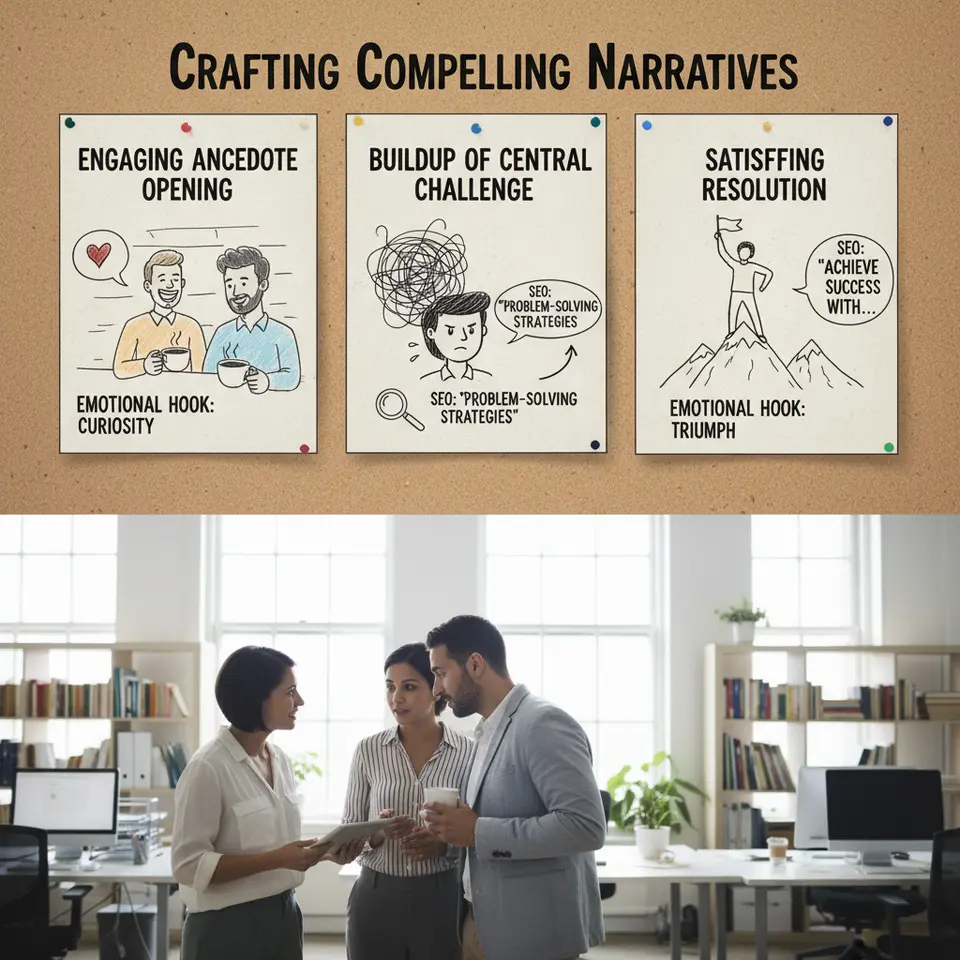
Beyond technical optimization, storytelling is a powerful force in Balancing Creativity and SEO. A narrative anchors abstract concepts in real-life scenarios and fosters emotional connections. Start with a relatable anecdote or a surprising statistic—perhaps sourced from a reputable institution like Harvard University—to hook readers from the outset. Structure your story with clear phases: introduction of context, presentation of the challenge, and resolution. Then, weave in your primary message to ensure the tale reinforces key takeaways.
Using Visual Elements Effectively
Images, infographics, and charts not only break up dense text but also enhance retention and dwell time. Optimize each file by compressing images for fast load times and using descriptive file names that include relevant keywords. Add alt attributes that describe the media’s purpose and context, aiding accessibility and providing additional SEO signals. For instance, alt text like “infographic showing steps in blog optimization” directly relates to your topic and improves indexability.
Video and Interactive Features
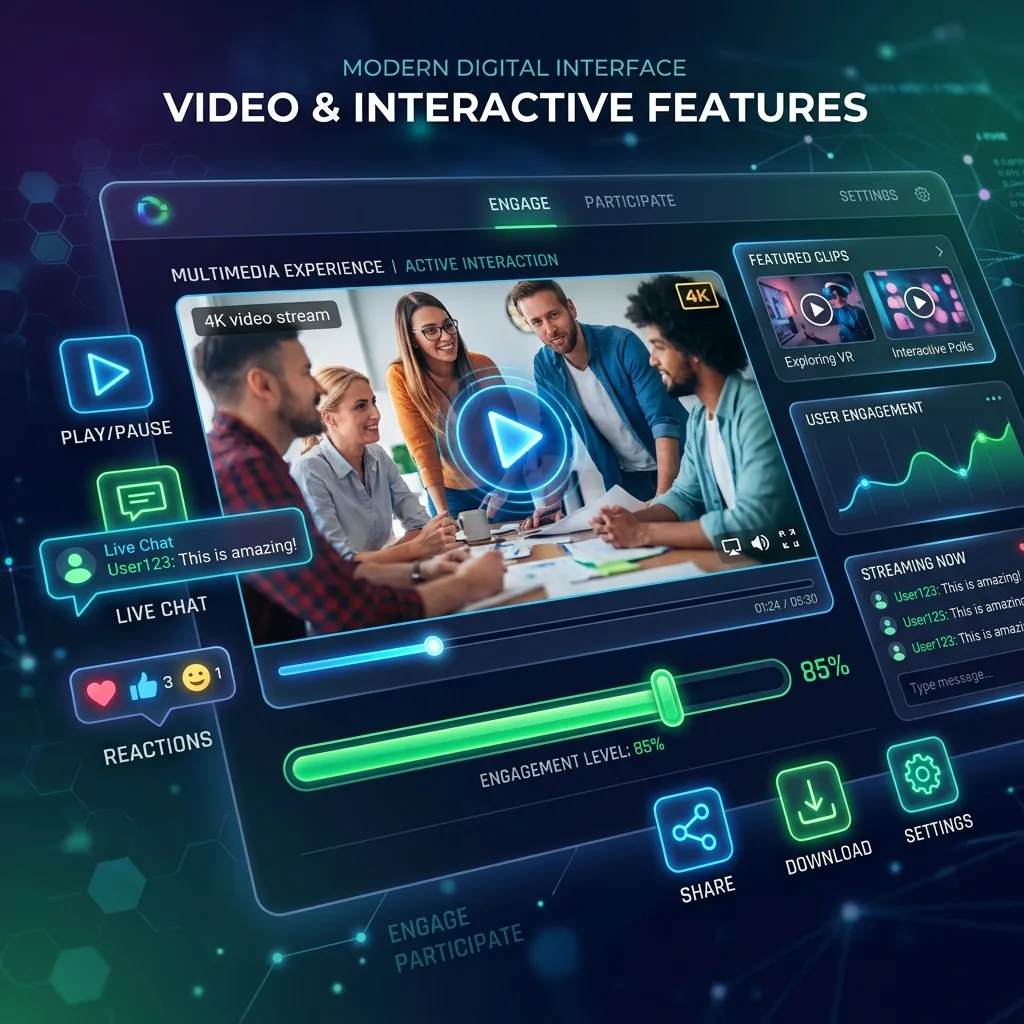
Embedding videos or interactive tools can further elevate engagement. According to a recent study by the National Institutes of Health, multimedia content can increase information recall by up to 65%. When integrating video, host locally or embed from platforms like YouTube, and provide a transcript or summary below the player. Interactive quizzes, calculators, or polls invite participation and extend session duration, signaling to search engines that your content satisfies user intent.
Accessibility Best Practices
An inclusive approach to media ensures that all users can benefit from your content. Provide captions for videos, use high-contrast color schemes, and structure your HTML for screen-reader compatibility. Tools such as the WAVE accessibility checker help you identify potential barriers. Prioritizing accessibility not only broadens your audience but also contributes to positive user signals that can enhance your SEO standing.
Performance Optimization
Rich media can sometimes strain page speed, so performance optimization is critical. Employ lazy loading for offscreen images, leverage browser caching, and minify CSS and JavaScript assets. Measuring page load times with tools like Google PageSpeed Insights helps you pinpoint opportunities for improvement. A fast, multimedia-rich page embodies the essence of Balancing Creativity and SEO: delivering an engaging experience without sacrificing technical excellence.
Conclusion
Balancing Creativity and SEO is both an art form and a technical discipline that demands ongoing attention and adaptability. By combining compelling narratives with strategic optimization—ranging from headline crafting to seamless keyword placement, from structured layouts to engaging multimedia—you create content that resonates with readers and attracts search engine traffic. In today’s digital landscape, this hybrid approach sets your work apart and fosters lasting audience relationships.